
Research + Expert Discussion
The Future of RWE
Virtual Event 2 of 2
 This event has passed. Please view the recording.
You’ll benefit most if you are:
Zoom Recording
Watch the latest Bionews session recording. Use the passcode below when prompted.
Open Zoom Recording56g*3!ju
Event Summary
The evidence landscape is shifting in ways that most 2024-era RWE programs were not designed to capture. Patient communities are generating structured, continuous signals about treatment experience, trust, and unmet needs. AI is making it possible to detect patterns in that data at a scale and speed that traditional study designs cannot match. And emerging models for patient participation in research are rewriting the rules of who contributes evidence, how, and on what terms.
Panelists will discuss what a new RWE framework could look like as advances in data analytics, community-driven insights, and evolving regulatory expectations become more integrated into current models. The conversation will also focus on the practical steps needed to get there, including building the right infrastructure, partnerships, and approaches to support the next generation of RWE.
Panelists

Marcella Debidda


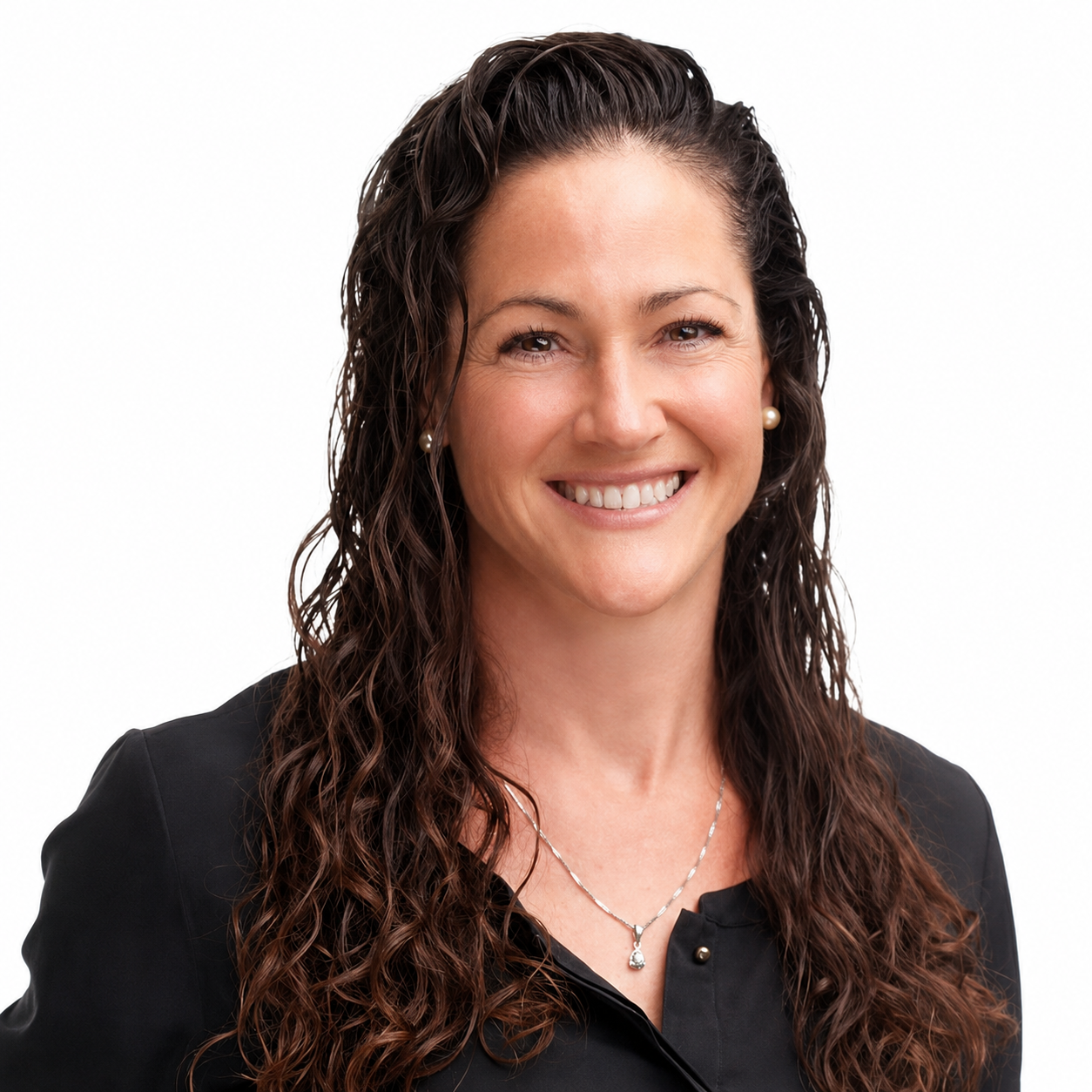
Rachel Smith
VP, Rare and Genetic Disease

Jennifer Goldsack
CEO, Digital Medicine Society

Tré LaRosa
Associate Project Manager, FNIH


Megan Freed
Senior Director, Data & Health Technology Integration, PPMD

Craig Lipset
Advisor, educator, and advocate
Marcella Debidda
President, Patient Insights & Clinical Solutions
Dr. Marcella Debidda, PhD is a healthcare innovation leader with over 15 years of experience advancing research and care strategies shaped by the lived experience of patients and caregivers across organizations including Harvard Clinical Research Institute, Science 37, monARC Bionetworks, and Stanford Medicine X.
At Bionews, she leads the Clinical and the Patient Insights divisions, where she examines how rare disease patients find and act on health information, and how that behavior shapes robust data collection. She is widely recognized for developing scalable approaches to incorporate patient and caregiver expertise into research design, clinical development, and policy decision-making.
Dr. Debidda has led initiatives in patient-powered trial design, recruitment strategies, and sustainable community development across more than 50 conditions, integrating behavioral science and qualitative research to define what effective, trust-based rare disease engagement looks like for modern drug development.
Craig Lipset
Clinical Research Innovation Leader
Craig Lipset, MPH is a clinical research innovation leader with over 25 years of experience advancing decentralized trial strategies and medicine development across organizations including Pfizer, TransCelerate BioPharma, and the Decentralized Trials & Research Alliance (DTRA)
At Clinical Innovation Partners, he leads corporate and growth strategy, examining how digital health technologies and patient-centric approaches can optimize research design and scale clinical operations
Lipset has led initiatives in patient-powered research design, decentralized trial adoption, and virtual care platforms across healthcare and life sciences sectors, integrating health informatics and digital solutions to define what innovative, accessible clinical research looks like for modern drug development
Tré LaRosa
Associate Project Manager, FNIH
Tré LaRosa is a scientific project manager, writer, patient activist, and public speaker with over seven years of research experience across basic, translational, and clinical labs
As the first patient advocate selected for the Cystic Fibrosis Foundation’s Clinical Research Executive Committee (CREC)
An accomplished science communicator, Tré has written over 300 pieces for professional columns, blogs, and newsletters, including work for Bionews, ndd Medical Technologies, and NeuLine Health
Megan Freed
Senior Director, Data & Health Technology Integration, PPMD
Megan Freed is a public health data and engagement strategist with over twenty years of combined experience in network development, communications planning, and marketing for nonprofit organizations, health foundations, and clinical institutions
At Parent Project Muscular Dystrophy, she serves as Senior Director, Data & Health Technology Integration, leading efforts that harness the power of Real World Data and digital technology to improve patient-centered research in the rare disease space
Megan has led impactful data and communications initiatives across major healthcare and community frameworks, collaborating with organizations such as the Duke University School of Nursing’s Health Innovation Lab, Baylor College of Medicine, and the Dorothea Dix Park Conservancy
Rachel Smith
Vice President, Rare and Genetic Disease, Parexel
Rachel Smith is a rare disease drug development executive and patient-focused leader with over 15 years of experience optimizing, innovating, and driving transformational change in clinical development strategies across organizations including GlaxoSmithKline, Veristat, and The Clinical Trial Company.
At Parexel, she serves as Vice President of Rare and Genetic Disease, leading global initiatives to push the limits of traditional evidence generation and build reimagined regulatory, statistical, and operational strategies. She is widely recognized for her expertise in cell, gene, and oligonucleotide therapies, championing novel solutions that keep patients at the center of modern drug development.
Rachel has led impactful initiatives across major international advocacy frameworks, collaborating with organizations like Global Genes, the EveryLife Foundation for Rare Diseases, and the UK Platform for Nucleic Acid Therapies (UPNAT). As a member of the EURORDIS European Regional Task Force, she actively shapes healthcare policy across the UK, Europe, and the USA, driving the development of the European Blueprint for Rare Diseases to ensure the real-world needs of the rare disease community are reflected in both policy and clinical practice.
Jennifer Goldsack
CEO, Digital Medicine Society (DiMe)
Jennifer Goldsack is a healthcare innovation leader with seven years of experience as the founding CEO of the Digital Medicine Society (DiMe), advancing the safe and equitable integration of digital technologies into clinical practice. She is widely recognized for developing global standards for digital clinical measures, regulatory science, and the ethical implementation of digital health tools.
Jennifer serves on the Executive Committee of the National Committee on Vital and Health Statistics (NCVHS), advising on national health data policy and information strategy. Her work spans collaborations with pharmaceutical innovators, technology developers, and regulatory bodies to bridge the gap between clinical research and digital health adoption.
She holds a Master’s in the History and Sociology of Science, Technology and Medicine from the University of Pennsylvania and an MChem from the University of Oxford, where she also competed in Varsity Rowing and Rugby. By integrating rigorous science with policy leadership, Jennifer drives an evidence-based, patient-centric future for the digital era of medicine.
Four Themes

Trust as the new variable
Data from the Rare Trust Index shows how patient trust in AI, pharma, and research institutions is shifting. Trust is moving from a soft engagement metric to a hard evidence variable, heavily impacting future study design and clinical trial recruitment strategies.

Patient participation in research
Patient involvement is evolving beyond traditional enrollment. New frameworks emphasize patient contributed data, patient led research design, and compensation models that treat lived experience as a core, measurable research asset.

AI as infrastructure
Moving past the hype, AI serves as the infrastructure layer for next generation RWE. From natural language processing of patient narratives to automated community signal detection, AI is actively changing what counts as evidence and how fast it can be generated.

Real-time clinical trials
Traditional trial protocols break without continuous community data, AI powered monitoring, and active participants. Next generation designs leverage real time signal detection and synthetic control arms, showing exactly where community sourced data fits in.
Why Attend

See proprietary data
on how rare disease communities are already generating structured evidence signals

Understand
how AI is creating new categories of real-world evidence from patient community data

Learn why
trust is emerging as a measurable variable in evidence generation and study design

Hear diverse perspectives

Get a first look at findings from the Rare Trust Index exploring patient attitudes toward AI in research