
The Decision Room:
The Anatomy of a Rare Disease Treatment Decision
The clinical and social forces that shape treatment choices.
 March 26, 2026
 1:00 PM ET
 60-minute webinar
You’ll benefit most if you are:
Pharma Brand and Agency Leaders focused on authentic patient engagement and brand trust for Rare Disease Patients.
Event Summary
Join Bionews for a 60-minute roundtable designed for pharma brand leaders and agency strategists who want a clearer view of how rare disease treatment decisions truly take shape.
This session brings rare disease patients and healthcare providers into the same conversation to examine the full decision arc, from pre-visit preference formation to the clinical encounter to the reflection period that follows. Together, they will unpack how treatment narratives form before the appointment, how risk, time pressure, and power dynamics shape what happens in the room, and where decisions ultimately solidify or stall afterward. Expect candid discussion about misalignment, information influence, trust signals, and the systemic constraints that shape real-world care.
If your work depends on influencing treatment conversations, this session will help you understand where those conversations are actually won, lost, or reframed.
Panelists
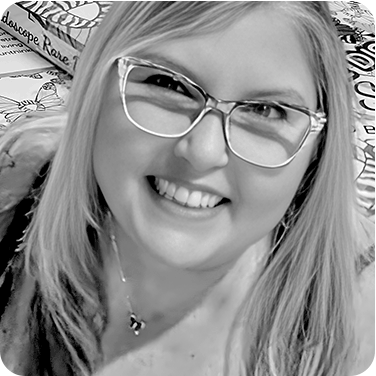
Kerry L. Wong
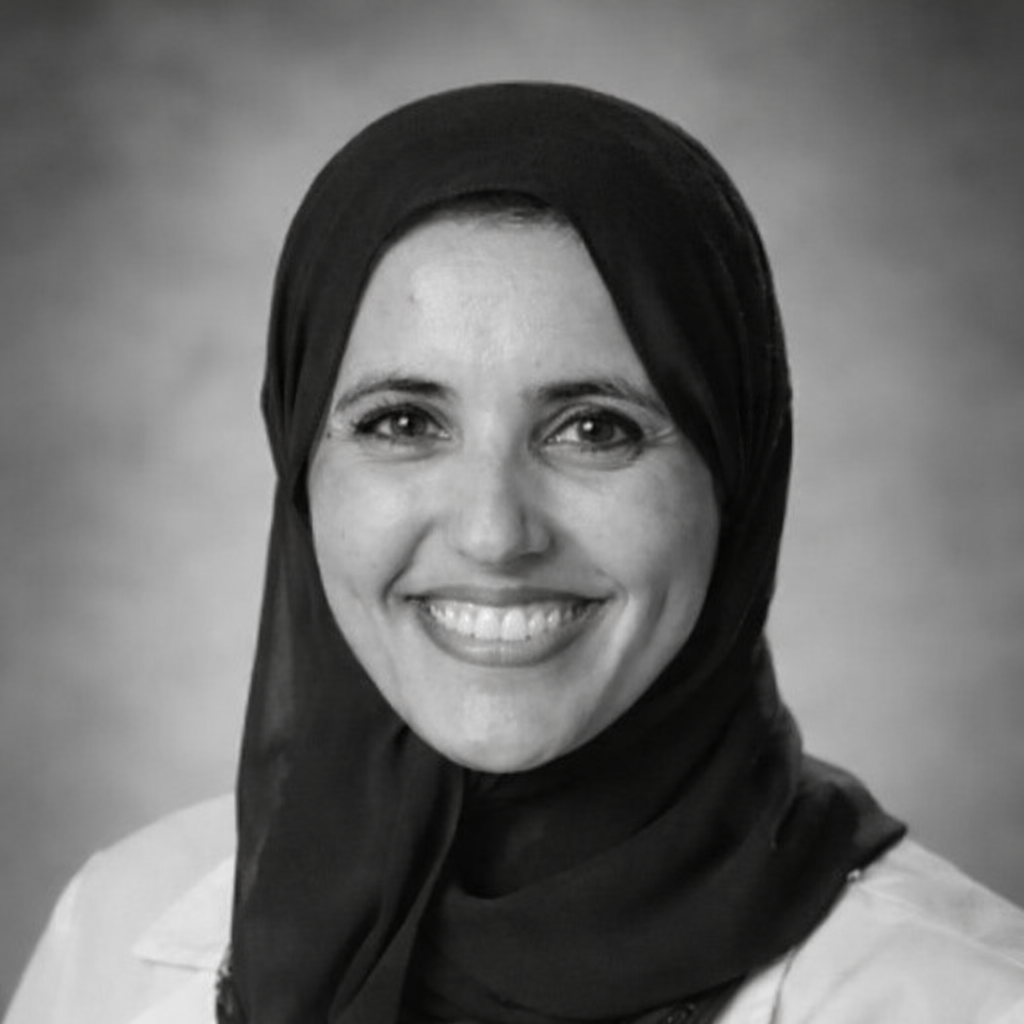
Mai ElMallah, MD MS
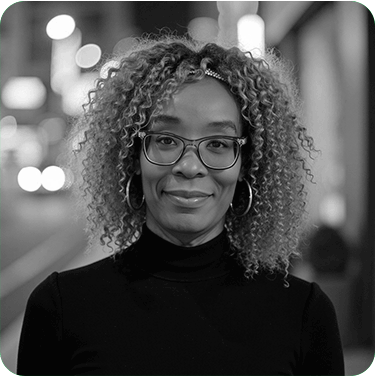
Tanita Allen
Huntington’s Disease Patient
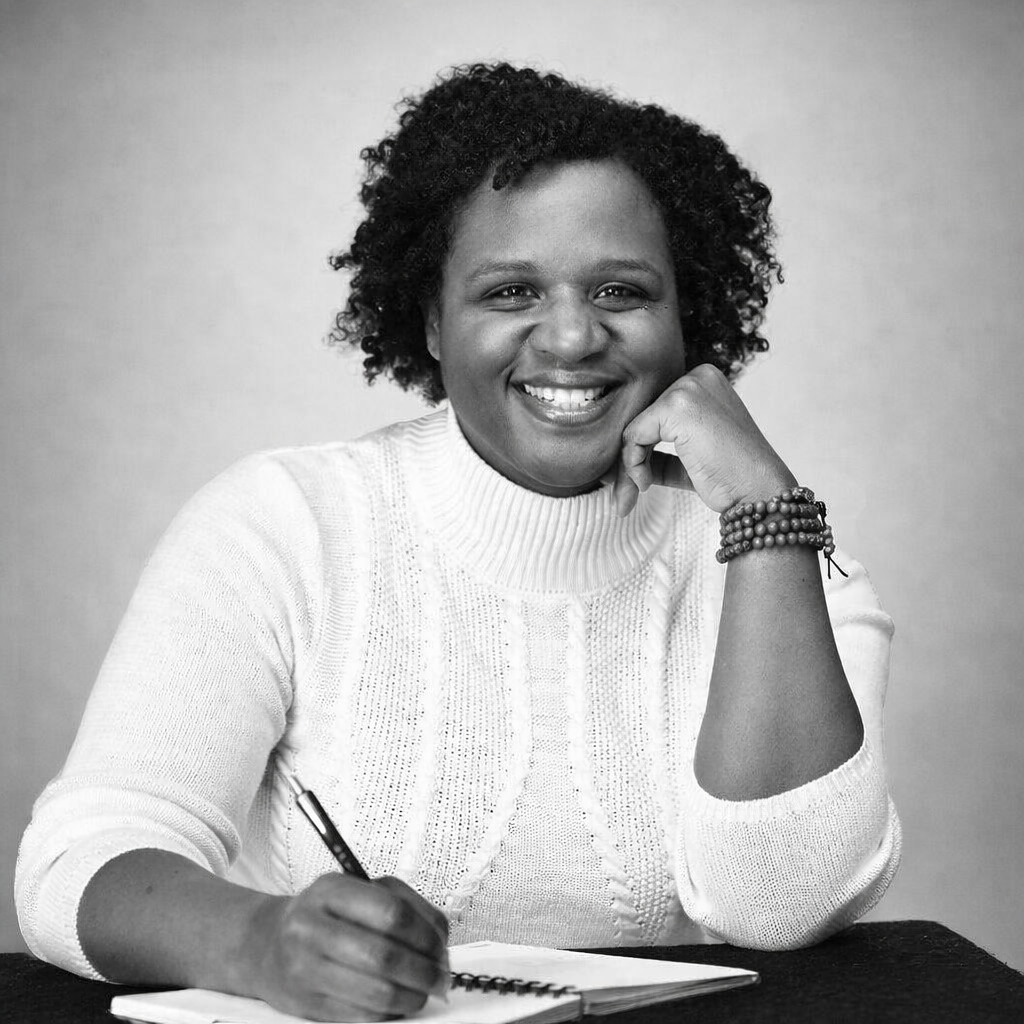
Danita LaShelle Jones
Caregiver for Hereditary Angioedema

Ethan Ash
Chief Commercial Officer, Bionews
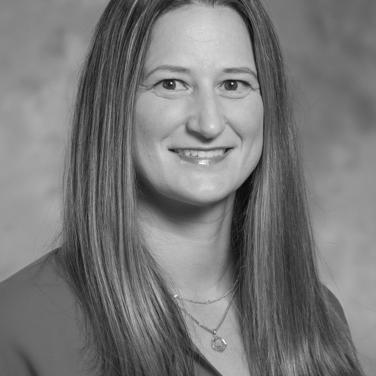
Dr. Natalie Katz
Assistant Professor of Pediatrics (Neurology)
Kerry L. Wong
Sarcoidosis News Columnist, Patient Advisory Board Member, and Creator, “Kaleidoscope: Rare Disease Stories”
For over a decade, Kerry has been active in the arthritis, sarcoidosis, and rare disease communities, sharing her experience and insight to advocate, educate, and support patients and their loved ones. A self-proclaimed “buttahfly,” Kerry recounts her disease-inspired transformations through her column, Float Like a Buttahfly, and amplifies other patient voices through her book, Kaleidoscope: Rare Disease Stories. Kerry volunteers with several organizations and serves on the Bionews Patient Advisory Board. Her goal is to help others in the rare, disabled, and chronic illness communities feel seen, validated, and empowered.
Mai ElMallah, MD MS
Professor of Pediatrics Division Chief, Duke Pediatric Pulmonary and Sleep Medicine
Mai ElMallah is a pediatric pulmonologist and physician-scientist whose work bridges clinical care and translational research in neuromuscular and respiratory disease. She serves as the Division Chief for Duke Pediatric Pulmonary & Sleep Medicine and is deeply committed to improving respiratory outcomes for children. She is the co-Director of the Duke Pediatric Neuromuscular Clinic where she cares for patients with respiratory complications of neuromuscular disorders. She also leads a translational lab which studies the impact of novel therapies on breathing in neuromuscular disorders.
Tanita Allen
Huntington’s Disease Patient Health & Wellness Coaching Graduate Student | Huntington’s Disease News Columnist (HD in Color) | Author | Keynote Speaker & Advocate
Tanita Allen is a writer, speaker, and patient advocate living with Huntington’s Disease News, where she authors her column, HD in Color, a platform dedicated to expanding how we talk about Huntington’s disease, identity, and visibility. She is the author of We Exist, a memoir that chronicles her deeply personal journey to diagnosis, including the racial bias and disbelief she faced in medical settings, and her determination to ensure that people who are overlooked, dismissed, or stereotyped are seen, heard, and taken seriously. Her advocacy and storytelling have been recognized beyond the rare-disease community; she has been featured in Forbes and Brain & Life, and she has delivered keynote talks and speaking engagements that center health equity, patient dignity, and what it truly means to thrive while living with a progressive neurological condition.
Currently, Tanita is a graduate student studying Health and Wellness Coaching at Notre Dame of Maryland University. Her work sits at the intersection of coaching, lived experience, and community care. She is passionate about helping people with chronic illness build lives that still feel like theirs, lives rooted in self-advocacy, sustainable routines, mindset support, emotional resilience, and practical tools for navigating healthcare systems, relationships, work, and daily well-being.
Through her writing and coaching path, Tanita encourages others to move beyond survival mode and reclaim purpose, confidence, and agency without pretending chronic illness is inspirational or “a lesson,” but also without letting it erase joy.
When she’s not writing or studying, Tanita enjoys journaling, reading personal-growth books, mindfulness practices and breathwork, yoga, creative content-building, and making space for rest and laughter with the people she loves.
Danita LaShelle Jones
Caregiver for Hereditary Angioedema
Danita LaShelle Jones is a professional writer, storyteller, and writing strategist with expertise in logistics and creative communication. She specializes in helping high-impact individuals strategically leverage writing as the premier communication tool of our time. When she’s not privately coaching other writers or producing plays, she and her husband are raising four incredible children, including one who lives with hereditary angioedema. As a caregiver, Danita hopes that her column will show other caregivers and patients that they’re not alone. Championing the idea to “inform the world,” she seeks to reveal HAE in such a way that even if it’s rare for an individual to have it, it isn’t rare for everyone to know about it.
Ethan Ash
Executive Vice President, Business Development
Ethan joined BioNews in 2022 after two decades in the health information and publishing world, where he launched, grew, and eventually sold Vertical Health to Remedy Health Media. After several years in business development at Remedy, he came to BioNews to focus on elevating content and community support for health conditions that deserve greater visibility. His connection to rare disease is also personal, with a close family member living with a rare condition.
A graduate of Cornell University, Ethan lives in Ithaca, NY, with his wife, Rachel, a mental health therapist, and their three boys — Rylan, Liam, and Eli. Beyond his work in healthcare, he founded the Youth Entrepreneurship Market (www.YEMithaca.com), helping young people build entrepreneurial skills and bring their ideas to life. He was recently honored as Ithaca’s Hometown Hero for his work with local youth and his service on multiple mission-driven boards and committees.
Natalie Katz, MD, PhD
Assistant Professor of Pediatrics (Neurology)
Dr. Natalie Katz is an Assistant Professor in the Department of Pediatrics, Division of Neurology at Duke University. She is co-director for the Duke Children’s Neuromuscular Program which offers multidisciplinary care to children with neuromuscular diseases. She is actively involved in clinical research and clinical trials with the goal of bringing novel treatments to children with neuromuscular disease. Dr. Katz received her MD/PhD at the University of Kansas and completed residency training in Child Neurology at Children’s Mercy Hospital in Kansas City, MO, which was followed by concurrent fellowships in Neuromuscular Medicine and Experimental Therapeutics at the University of Rochester.
Key Discussion Topics
The Pre-Clinical Build
How treatment preferences begin forming before the appointment. Prior experiences, peer narratives, digital information, emotional readiness, and expectations about the physician. What is already “decided” before the conversation starts.
Decision Dynamics in the Room
How time limits, language, perceived authority, and framing effects shape the discussion. Where clarity increases and where ambiguity creeps in. What is emphasized versus what quietly drops out.
The Commitment Threshold
When a treatment choice becomes real. Prescription, insurance approval, first dose, family discussion, or community validation. Where momentum accelerates and where decisions stall.
Structural Misalignment and Leverage Points
Where patient and provider expectations diverge most sharply, and where systemic constraints interfere. What can realistically be improved and what is embedded in the system.
Four components. One decision. Treated as a process under pressure, not a slogan.
Ideal For

Pharma Brand
Agency Account Leads & Planners
Why Attend

A structured view of pre-visit decision architecture and how preferences begin forming before clinicians enter the conversation

Insight into real-time dynamics inside the exam room, including risk framing, time compression, and trust signals

A clearer understanding of where decisions solidify, stall, or unravel after the appointment

A grounded discussion of misalignment between patients and providers and where meaningful intervention may or may not be possible
Key Takeaway
Attend to see where treatment decisions actually solidify, unravel, or quietly shift so you can align your strategy to the real inflection points instead of the assumed ones.
March 26, 2026
1:00 PM ET
60-minute webinar + Q&A